How to report
| Where you are | How |
|---|---|
| Queensland, by phone | Business Queensland: “If you find suspect ants or a nest, report them online or call 13 22 68.” The outbreak page gives the same number as 132 ANT. |
| Queensland, online | Report online at fireants.org.au, the address the outbreak page gives. |
| New South Wales | Fire ants must be reported through the NSW Biosecurity Helpline or online; the outbreak page lists both. |
The bar for reporting is low on purpose. The Australian Government’s outbreak page says to report any unusual ants, even when you are not sure, and Business Queensland calls early detection and reporting the key elements in eradicating fire ants. Its Queensland page asks people to remain vigilant and report suspected sightings to the National Fire Ant Eradication Program.
The 24-hour clock
- Becoming awareSection 42 of the Biosecurity Act, “Reporting presence of category 1 or 2 restricted matter”, covers this moment, and the red imported fire ant is prescribed as category 1 restricted matter.
- As soon as practicableSection 42 says which people the duty applies to. A person it applies to, who is not aware that an authorised officer has already been told or has otherwise become aware, must tell one as soon as practicable.
- 24 hours at most“…but not more than 24 hours, after becoming aware”, in the Act’s words.
For failing to report category 1 restricted matter in time, the maximum penalty in section 42 is 750 penalty units or 6 months imprisonment. The section also says the person must not take any action reasonably likely to make the risk worse, and must take any action reasonably likely to reduce it, with a maximum penalty of 750 penalty units.
Moving or storing carriers
Reporting is one duty; there is a second one beside it. Under the Biosecurity Act 2014, people and organisations whose activities involve moving or storing fire ant carriers have a general biosecurity obligation (GBO): they must take all reasonable steps so that they do not spread fire ants. The procedures for moving or storing a fire ant carrier are prescribed in the Biosecurity Regulation 2016, and they must be followed.
The regulation’s list of fire ant carriers includes baled hay or straw, products or by-products of mining or quarrying, potted plants, soil, and things with soil or an organic soil substitute attached. It sets two zones, fire ant biosecurity zone 1 and zone 2, on a fire ant biosecurity zone map. The identification page describes what a carrier might be hiding.
On a block inside a zone
These are the rules in the Biosecurity Regulation 2016 that touch a working acreage most directly. Each is shortened here; the section named beside it is the full text, with its conditions and exceptions.
| What | What the regulation says | Section |
|---|---|---|
| Live fire ants | Nobody may move a live fire ant from a place in a zone to anywhere else, inside or outside the zone, except under a biosecurity authorisation. | s 67 |
| Soil | Soil must not be moved from a place in a zone to a place outside it, unless it goes from zone 1 to zone 2 or moves under a biosecurity authorisation. | s 68 |
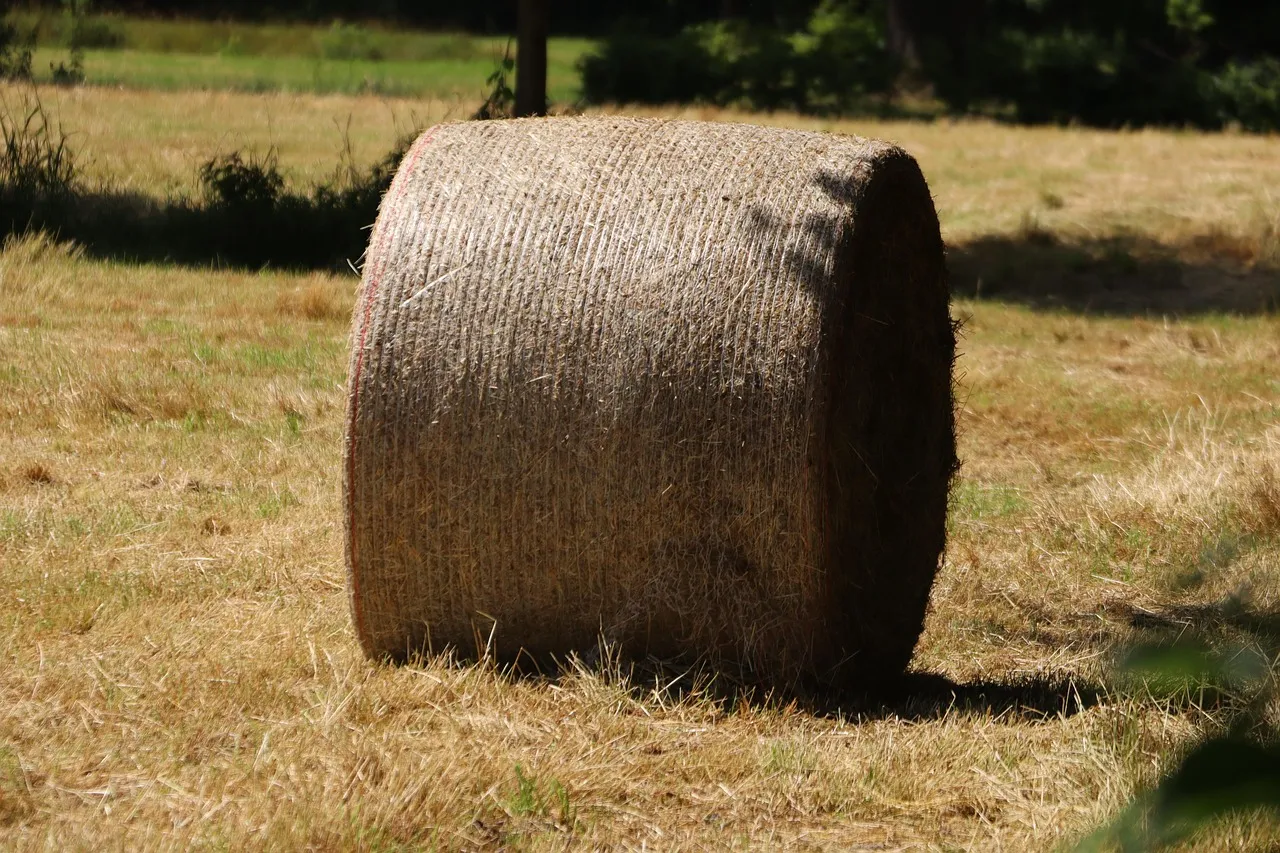
| Hay | Cut hay is baled within 24 hours after it is finally raked; the final raking and the raking before it are done within 24 hours of each other; baled hay leaves the paddock it was baled in within 24 hours. | s 72 |
| Manure, mining and quarry material, and plant material | For these “relevant fire ant carriers”, unless each carrier is covered so fire ants cannot infest it and kept either above ground level or on a fire ant resistant surface ringed by a 30cm wide barrier of a chemical product for use on fire ants, applied as its approved label or an APVMA permit allows, as section 71(2) requires, it must be disturbed (chipped, crushed, screened, shredded, turned or washed) at least every 21 days while it is kept at the place, and at least 24 hours before it is moved, with a written record of how and when. | s 71A |
| Any carrier other than soil left 24 hours or more | Applies to a carrier other than soil left at a place in a zone for at least 24 hours. The first requirement listed is that it is covered in a way that prevents fire ants from infesting it. Turf and potted plants can instead be treated with an appropriate chemical product, with a written record of the product and how it was used. A relevant fire ant carrier can instead be disturbed and recorded under section 71A, as the row above sets out. | s 71 |
Two practical habits sit alongside the rules. The outbreak page asks that slashers, excavators, wheelbarrows and other gear be cleaned so they are free of the soil and material fire ants like to nest in, and it states plainly that movement restrictions at infested sites are mandated and must be followed.
A slasher, a load of soil or a pallet of turf can all carry fire ants to the next property. That is the reason the zone rules exist, and the reason a 24-hour report is worth more than a week of watching a mound to be sure.