Small enough to miss
| Stage | Size |
|---|---|
| Larva | Around 1 mm, and can be hard to see. |
| Nymph | Around 2 mm across. |
| Adult, before a blood feed | Around 4 mm. |
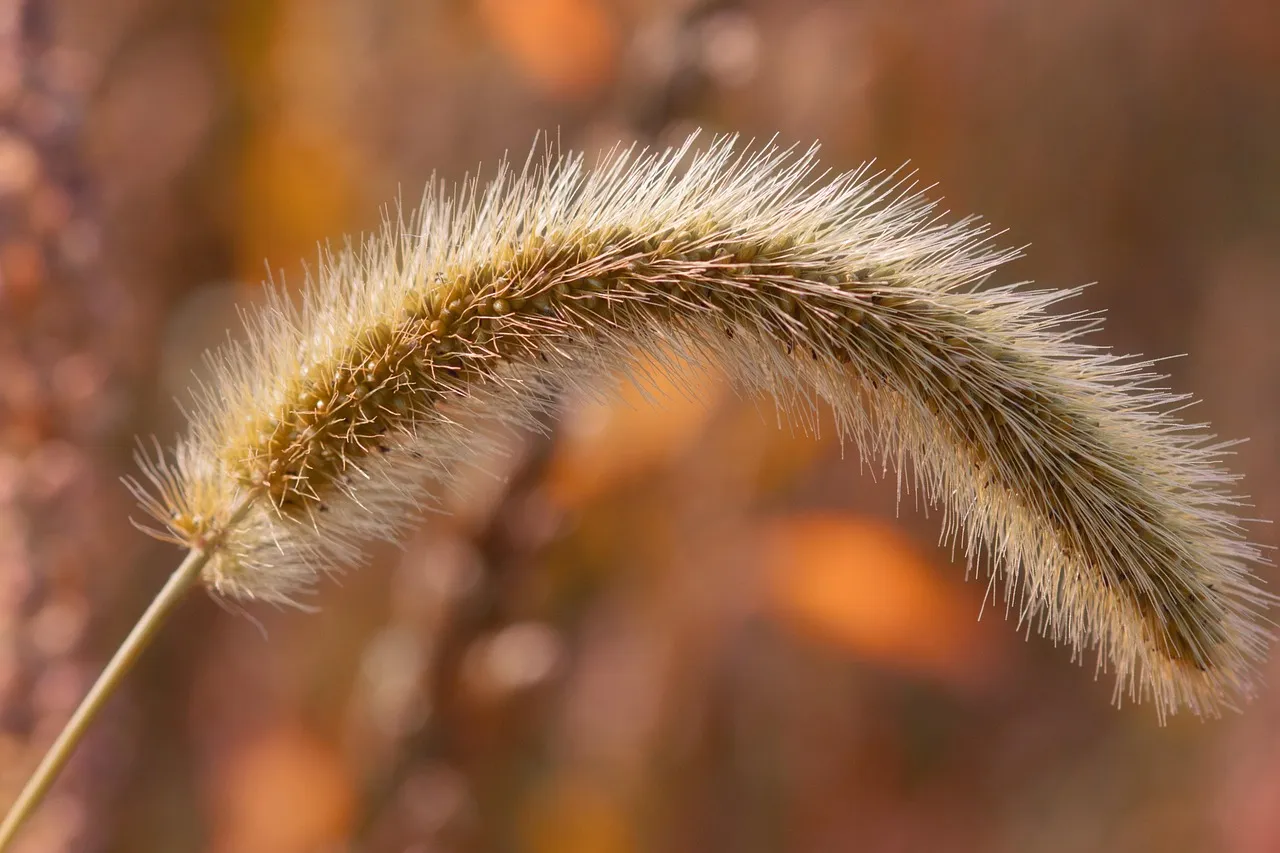
Ticks are arachnids, related to spiders, with eight legs. Adults wait at the tips of grass blades and other plants and transfer to a passing animal or person, and they generally lodge in the skin of the head, scalp or neck. In eastern Australia, most tick bites come from the paralysis tick, Ixodes holocyclus.
The Australian Centre for Disease Control says ticks can be met all year, though the season generally runs from July to December, when more adult ticks are about, and it varies with where you live.
Reaction or allergy
Most tick bites are not allergy. ASCIA says the most common reaction is local irritation, itching and swelling where the tick bit, and that this is usually not due to allergy.
- Mild allergic reactionLarge local swelling and inflammation at the bite, which can last several days.
- Severe allergic reactionAnaphylaxis. The Australian Centre for Disease Control calls a tick bite that causes anaphylaxis a medical emergency.
ASCIA says the safe and fast removal of a tick may reduce the chance of becoming allergic to ticks, and may also lower the risk of a tick-borne infection or tick paralysis. NSW Health adds that most tick bites cause little or no symptoms, but that tick-borne diseases, tick paralysis and severe allergic reactions can be serious.
Why the saliva matters
The Australian Centre for Disease Control says Australia’s recommendations for removing ticks differ from the rest of the world’s, because the Australian paralysis tick causes specific challenges. The challenge is the saliva. Tick saliva is a venom, healthdirect says, and the allergens behind tick allergy are proteins in it. Disturbing a tick may cause it to inject more allergen-containing saliva, ASCIA says.
ASCIA’s page sets out a different path for someone with a known tick allergy. ASCIA’s tick allergy page is worth reading while there is no tick to deal with.
Confirming an allergy
ASCIA says tick allergy should be confirmed by a clinical immunology or allergy specialist. There is no reliable skin or blood test for it; diagnosis rests on the history of the reaction. ASCIA also notes that raised levels of an enzyme called tryptase, which is increased in a condition called mastocytosis, are associated with a higher risk of allergic reactions to many triggers, tick bites and insect stings among them. A confirmed allergy is one of the allergies an ASCIA action plan can cover.
The meat allergy link
Australia’s clinical immunology and allergy specialists were first to describe how tick bites are linked to mammalian meat allergy, and researchers in the USA and Europe have since confirmed it. The allergen, alpha-gal, is found in the gut of ticks and in mammalian meats such as beef, pork, lamb, kangaroo and venison. healthdirect notes that some people become allergic to mammalian meat after a tick bite.
ASCIA advises people with this allergy to avoid all mammalian meats and all forms of gelatin, and to carry medical identification warning of allergy to intravenous gelatin colloid. A specialist is the one to confirm it and set out what it means for one person.
Keeping ticks off on acreage
- ASCIA suggests considering permethrin-treated clothing when in tick habitat or gardening where ticks are common.
- healthdirect suggests an insect repellent containing DEET, picaridin or lemon eucalyptus.
- The Australian Centre for Disease Control suggests putting clothes in the dryer for 20 minutes after time in tick-prone areas.
- ASCIA says that in tick areas it is important not to scratch anything you cannot see.
Long grass at the edge of a paddock, bush along a creek and the overgrown corner behind the shed are the places these habits are for: ticks wait on grass blades and plants for something to pass.